Do Solar Panels Work on Cloudy and Rainy Days?
Solar panels don't stop working when clouds appear. Here's what happens to production when the weather turns bad.

Solar panels don't require direct, unobstructed sunshine every second to produce electricity. They can generate power from diffuse sunlight that passes through clouds, although output is usually lower.
What clouds do
Cloud cover reduces the amount of solar radiation reaching the panel surface. Thick clouds can cause a substantial drop in production, while thin or scattered clouds may have a smaller effect.
Rain doesn't inherently damage production
Rain itself isn't what makes solar output fall. The reduction usually comes from the heavy cloud cover surrounding the storm. Once the clouds pass, production can recover quickly.
Rain can help clean panels
In some climates, rainfall naturally removes dust and light surface dirt. That can provide a small production benefit after a dusty period, although heavy deposits may still require cleaning.
Why annual production matters
A single cloudy day tells you almost nothing about whether solar is worthwhile. System economics depend on total production over months and years, not one afternoon.
Installers should use location-specific solar resource and weather data when estimating annual output.
Expect variability
Even excellent solar systems will have days with unusually low production. That's normal. The important question is whether your long-term output is broadly consistent with the system's expected range.
Clouds reduce solar production, but they don't make panels useless in regions with regular overcast weather. The economics simply depend on how much sunlight the location receives across the year.
More in Solar Basics

Should You Do an Energy Audit Before Installing Solar?
Reducing wasted electricity before sizing solar can produce a smaller, more efficient system and lower your overall project cost.
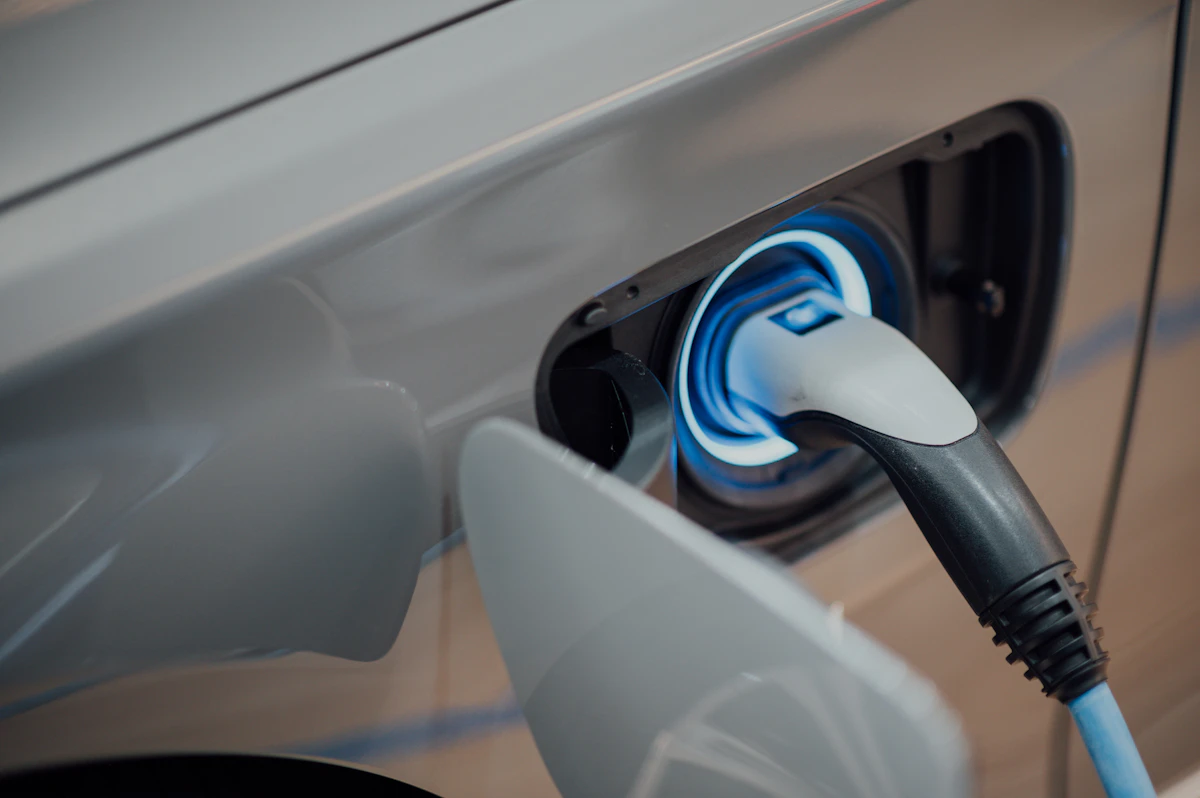
Can Solar Panels Power an Electric Vehicle?
Your solar system can offset the electricity used by an EV, but the practical setup depends on charging schedules, solar production, and your home's electrical capacity.
Does Solar Work in Winter?
Shorter days and weaker sunlight reduce winter production, but solar panels can still generate useful electricity in cold weather.