Does Solar Work in Winter?
Shorter days and weaker sunlight reduce winter production, but solar panels can still generate useful electricity in cold weather.

Winter is often associated with poor solar performance because days are shorter and the sun sits lower in the sky. But cold temperatures themselves are not the problem many people assume.
Solar panels like sunlight, not heat
Photovoltaic cells generally perform more efficiently at cooler operating temperatures. The challenge in winter is usually reduced sunlight availability, shorter daylight hours, and cloud cover.
Snow can reduce production
If snow covers the panel surface, sunlight cannot reach the cells effectively. Whether snow clears naturally depends on panel angle, weather, and local conditions.
Shorter days matter
Even if the panels are operating efficiently, fewer daylight hours means less opportunity to generate electricity. This is why annual production estimates should account for seasonal variation.
Winter can still produce useful energy
A clear winter day can produce significantly more electricity than a cloudy summer day. The season alone doesn't determine daily output.
Cold-weather design considerations
Installers in snowy regions may need to consider snow loads, roof structure, panel orientation, and equipment operating limits. These details matter more than the simple question of whether solar 'works in winter.'
Look at annual numbers
The right metric for evaluating a solar investment is the expected annual energy production and its relationship to your electricity needs and rates.
Winter production may be lower, but that doesn't mean a solar system is ineffective. It means the system's output naturally changes over the year.
More in Solar Basics

Should You Do an Energy Audit Before Installing Solar?
Reducing wasted electricity before sizing solar can produce a smaller, more efficient system and lower your overall project cost.
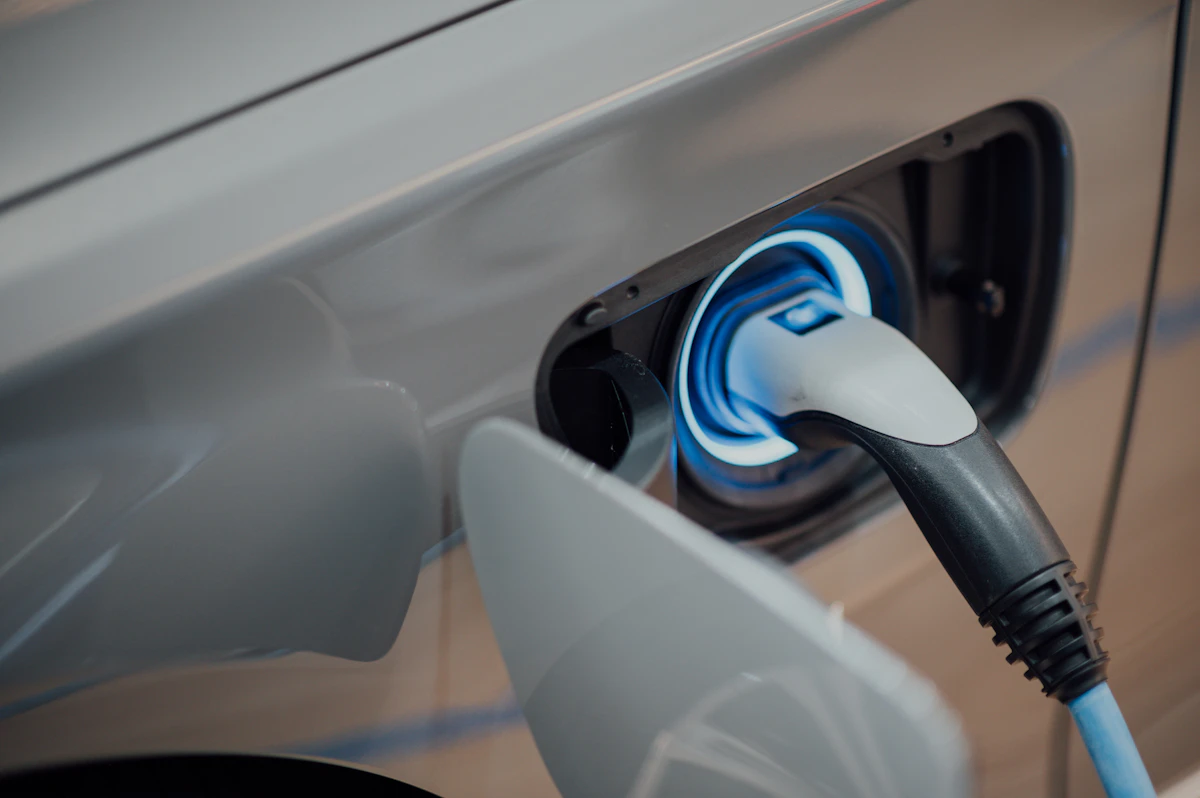
Can Solar Panels Power an Electric Vehicle?
Your solar system can offset the electricity used by an EV, but the practical setup depends on charging schedules, solar production, and your home's electrical capacity.

What Happens to Solar Panels at the End of Their Life?
Solar panels last for decades, but eventually they may be replaced. Here's what happens when an old panel reaches the end of its useful life.