Should You Replace Your Roof Before Installing Solar?
Putting solar on an aging roof can create an expensive problem later. Here's how to decide whether roofing work should come first.
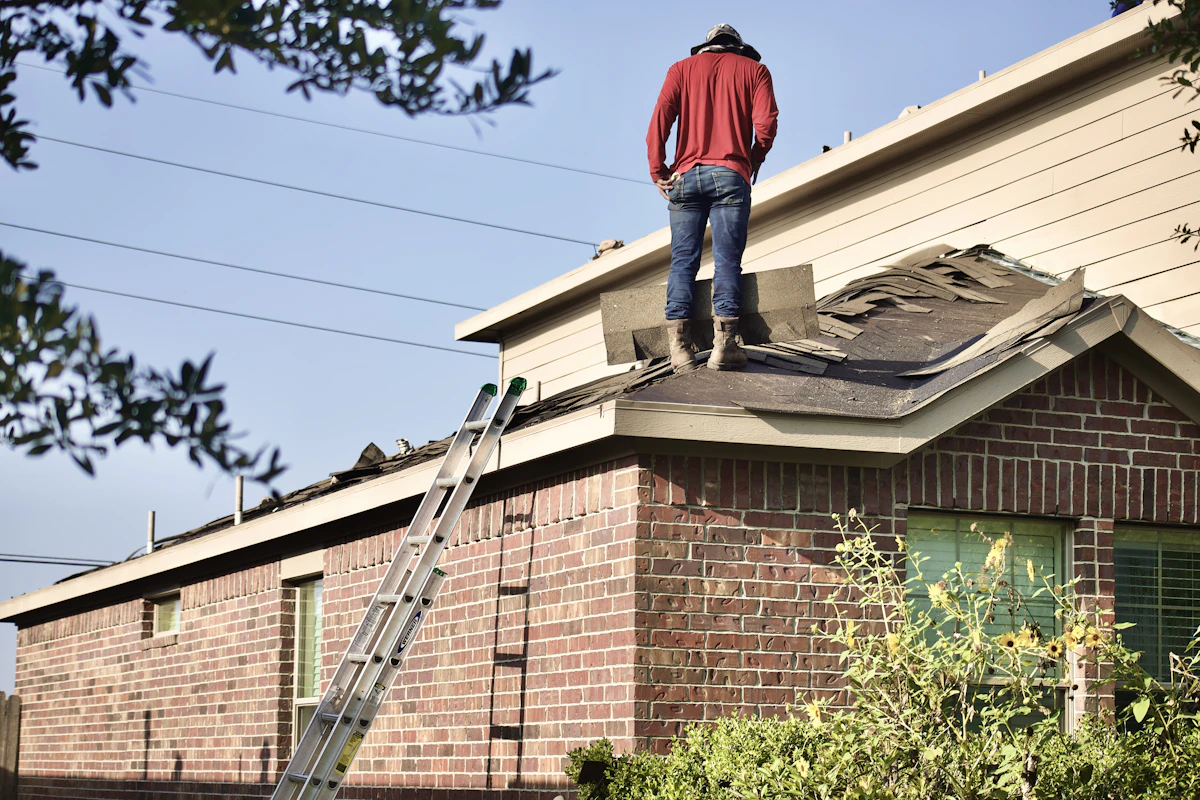
Solar panels can remain on a roof for decades, so installing them on a roof that is near the end of its useful life can create a frustrating problem later.
Why timing matters
Removing and reinstalling solar panels during a roof replacement adds labor and may involve electrical inspection or permitting work depending on local requirements. That means replacing the roof first is usually much simpler when the roof is already approaching the point where replacement is expected.
Check the roof's remaining life
The important question isn't whether your roof is old in absolute terms. It's how much useful life it realistically has left.
Ask a qualified roofer to evaluate the roofing material, flashing, leaks, structural condition, and expected remaining life before signing a solar contract.
What if only part of the roof is aging?
If the solar array will sit on one roof section, replacing that section before installation may be enough. The right solution depends on the roofing system and local building practices.
Roofing and solar financing
Combining roof replacement and solar into one financing package can make the monthly payment look attractive, but don't let the bundled presentation hide the actual cost of each component. Get separate prices for roofing and solar so you can compare them properly.
The takeaway
Solar should ideally be installed on a roof that is structurally sound and expected to remain serviceable for a long time. Spending money on a roof assessment before signing a solar contract can prevent a much larger bill later.
More in Installation
Can You Add More Solar Panels Later?
Expanding an existing solar system is possible in many cases, but inverter limits, roof space, electrical capacity, and equipment compatibility can make it complicated.

What to Expect During a Solar Home Inspection
Whether you're buying a house with solar or selling one, the system needs more than a quick visual check.
Does Your Home Need an Electrical Panel Upgrade for Solar?
Not every home needs a new electrical panel for solar, but some older systems have capacity or safety limitations that must be addressed first.